



Xiaomi’s Mi TV Box S (2nd Gen) is a sleek streaming device offering 4K Ultra HD, Dolby Vision, Dolby Atmos, and Google TV support.
It’s fast and great for sideloading, but updates introduced annoying bugs and lag. Its limited 8GB storage is also a drawback. However, actual playback quality depends on your streaming app, content source, internet speed, and TV compatibility.
This review covers its best aspects, limitations, standout features, IPTV setup, and hands-on performance to help users decide whether it is worth buying.
Ever since Xiaomi released the TV Box S (3rd Gen) with 32GB of storage, Wi-Fi 6, and improved processing, these upgrades make the 2nd Gen less appealing at a similar price point in 2026.
Your ISP, government, and IPTV providers can monitor activity or throttle speed if you use IPTV without a VPN. A top IPTV VPN such as Surfshark can improve streaming privacy, although it cannot make unauthorized streams legal.
Recommended VPN for IPTV - Surfshark
Using IPTV without a VPN can put you at Big Risk! Your ISP, government and even IPTV providers can monitor your activity, throttle your speed, or block access altogether.
Plus, without encryption, your data is exposed to hackers and third parties. Take back your privacy with Surfshark!
Features:
✅ SAVE 87% + GET 3 EXTRA MONTHS FREE! ($0.06/day)
✅ Kill Switch Feature to protect you if VPN drops
✅ Lightweight app ensuring smooth performance on All IPTV Boxes
✅ Unlimited simultaneous connections (install on all household devices)
✅ 30-day risk-free money-back guarantee
✅ Strict no-logs policy, Secure & Untraceable
Device Specifications
The Mi TV Box S (2nd Gen) is a compact 4K streaming device powered by Google TV. Here’s a look at the standout features making it suitable for IPTV and everyday streaming:
- 4K Ultra HD: Supports 4K resolution at 60 FPS for crisp visuals.
- Processor: Powered by a Quad-Core Cortex-A55 CPU and ARM Mali G31 MP2 GPU for smooth performance.
- Storage: Comes with 2GB RAM and 8GB storage.
- Operating System: Runs Google TV (based on Android TV OS) with Google Play Store access.
- Connectivity: Wi-Fi dual-band (2.4GHz & 5GHz) and Bluetooth 5.2.
- Audio/Visual: Supports Dolby Vision, HDR10+, Dolby Atmos, and DTS-HD for enhanced sound and picture.
- Ports: Includes HDMI 2.1 and USB 2.0 for external devices, along with a power input and audio output port.
- Remote: Bluetooth remote with voice control via Google Assistant and infrared control for compatible TVs and soundbars.
- Chromecast Built-in: Stream content from mobile devices to your TV.
Pros and Cons
Here are the pros and cons of the Mi TV Box S (2nd Gen) to help you decide if it’s the right device for you.
| Pros | Cons |
|---|---|
| Google TV OS (smooth interface, good app compatibility) | Lacks newer Wi-Fi 6 |
| 4K HDR (Dolby Vision & HDR10+ support) | Limited storage (8GB, expandable via USB) |
| Dolby Atmos (immersive sound) | No Ethernet port (requires USB-to-Ethernet adapter) |
| Bluetooth remote with voice control | No Auto Refresh Rate for all content |
| Dual connectivity (Wi-Fi 5 & Bluetooth 5.2) | Limited/bad software updates |
| Chromecast built-in | Occasional lag |
| Compact and sleek design | Pricier than better streaming options available |
Buy Xiaomi TV Box S (2nd Gen) for $59.00 – $65.00 (depending on retailer, promotions, and shipping fees)
What’s Included in the Box?

Here is a quick checklist of the items included in the standard retail package:
✅ Mi TV Box S (2nd Gen)
✅ Remote control
✅ User manual
✅ Power adapter
✅ HDMI cable
What Do You Need for IPTV Streaming on Mi TV Box S (2nd Gen)?
Here’s everything you’ll need to set up and enjoy IPTV streaming on your Xiaomi TV Box S (2nd Gen):
✅ Mi TV Box S (2nd Gen) with all accessories and remote.
✅ TV with an HDMI slot.
✅ Google account.
✅ IPTV player app.
✅ IPTV subscription from an authorized provider.
✅ Internet connection.
✅ VPN (Check out Top VPNs for IPTV).
How to Set Up IPTV on Xiaomi TV Box S (2nd Gen)?
Watching IPTV on the Mi TV Box S (2nd Gen) is a great way to access tons of content right on your TV. It’s simple to set up and even more fun to use.
You can install compatible IPTV players directly through Google Play or sideload apps using the Downloader app when they are unavailable in the store. Here is how you can set it up for IPTV:
Step 1: Connect the Xiaomi TV Box to the TV HDMI port, turn it on, and point the remote toward the device within 8 inches (20 cm). Press the Grid and Circle buttons simultaneously.

Step 2: Once the remote is paired, click the Menu Button.

Step 3: Choose your preferred language.

Step 4: Choose your region.

Step 5: Connect your phone to the TV or skip for now.

Step 6: Choose your Wi-Fi network.

Step 7: Enter your Wi-Fi Password.

Step 8: Choose Sign In.

Step 9: Enter your Email ID.

Step 10: Enter your Password.

Step 11: Read the Terms of Service and Click Accept.

Step 12: Allow Google to use your Location.

Step 13: Skip these Tutorials.

Step 14: Agree to the Terms & Conditions.

Step 15: Your Mi TV Box S is now set up. Install and open the Google Play Store.

Step 16: Click Accept.

Step 17: You can search for any app here. Search for the Downloader app.

Step 18: Click Install.

Step 19: Click Open.

Step 20: Open the Downloader App.
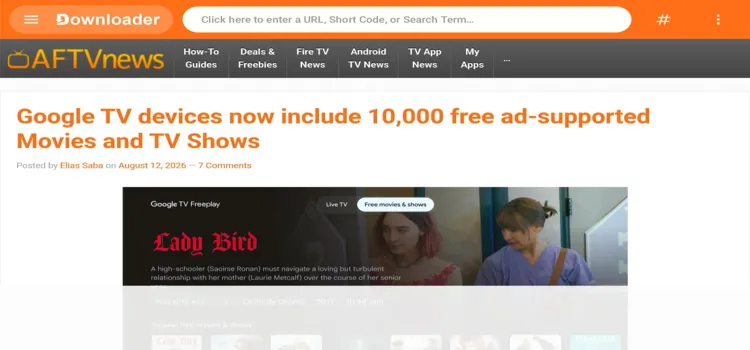
Step 21: Press the Home button on your remote and open Settings (gear icon) from the top-right corner.

Step 22: Scroll down and select Device Preferences.

Step 23: Under Device Preferences, choose Security & Restrictions (or Security & Preferences).

Step 24: Tap on Unknown Sources.

Step 25: Find the Downloader app in the list and turn the toggle ON to allow third-party app installations.

Step 26: Go back to the home screen and click on the “+” (Add Apps) icon.

Step 27: Select the Downloader app to add it to your home screen for easy access.

Step 28: The Downloader app is installed. You can now add your favorite IPTV downloader codes to install your favorite IPTV Players using the Downloader Code 5546232 in the search bar OR enter this URL bit.ly/43pEVWO and click Go.
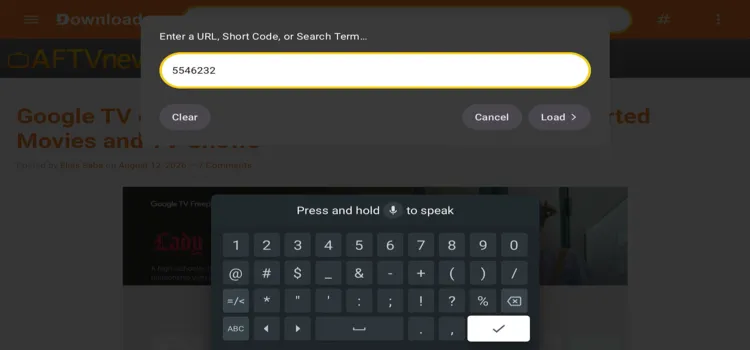
Step 29: Click on IPTV Smarters Pro.

Step 30: The Player will start downloading.
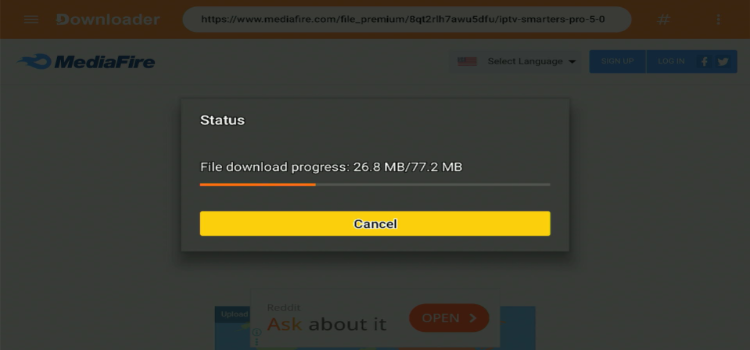
Step 31: A new window will appear. Click Settings to grant permission to install apps from unknown sources.
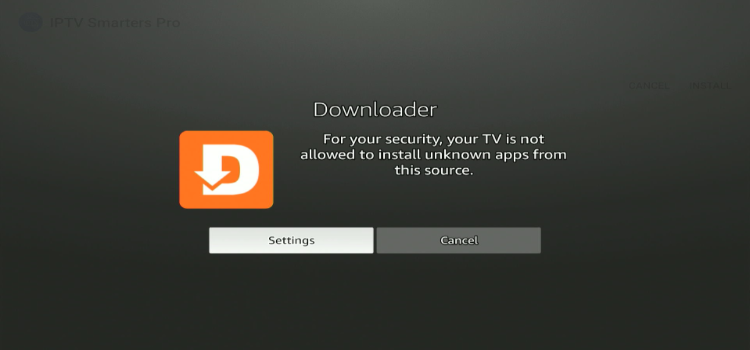
Step 32: Click on Install Unknown Sources.
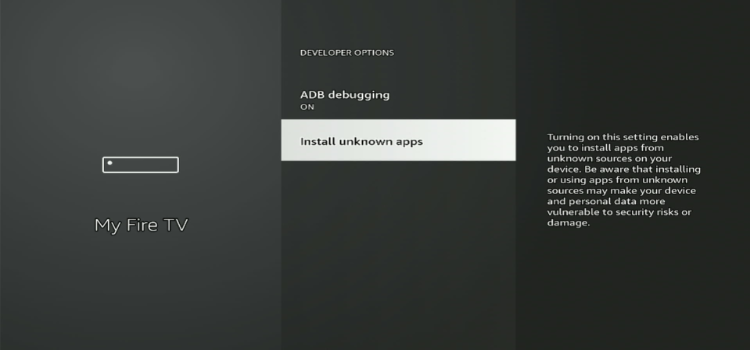
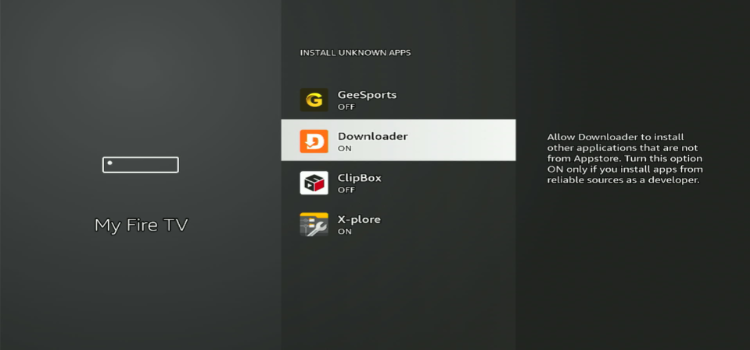
Step 33: Select the Downloader app and toggle it On.
Step 34: Click Install.

Step 35: Click Done.

Step 36: Click Delete.
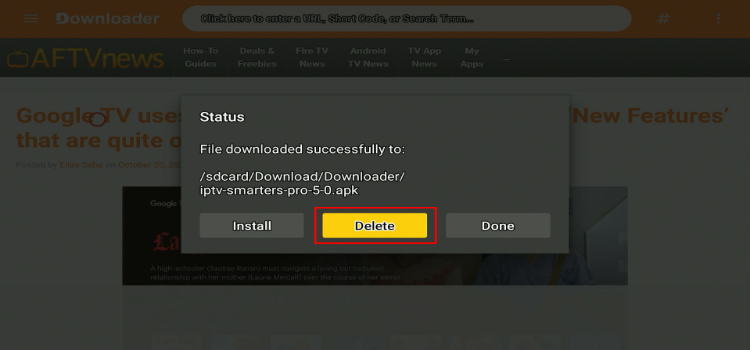
Step 37: Click Delete again.
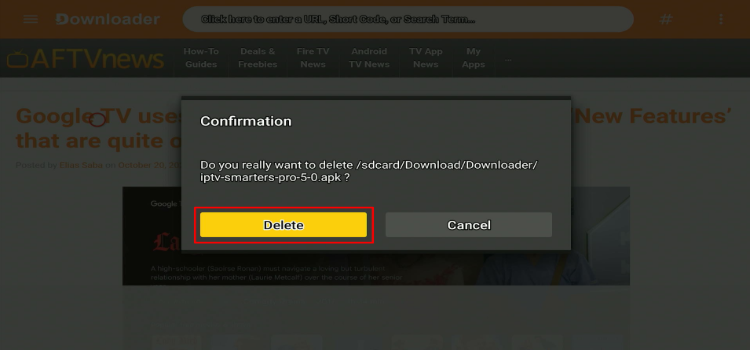
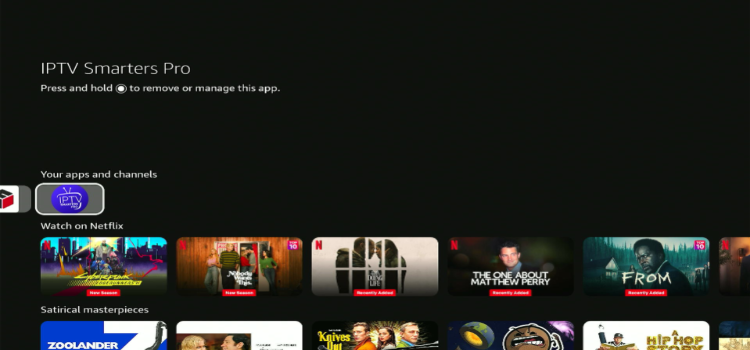
Step 38: You have successfully installed the IPTV Smarters Pro App. Click on the app to launch it.
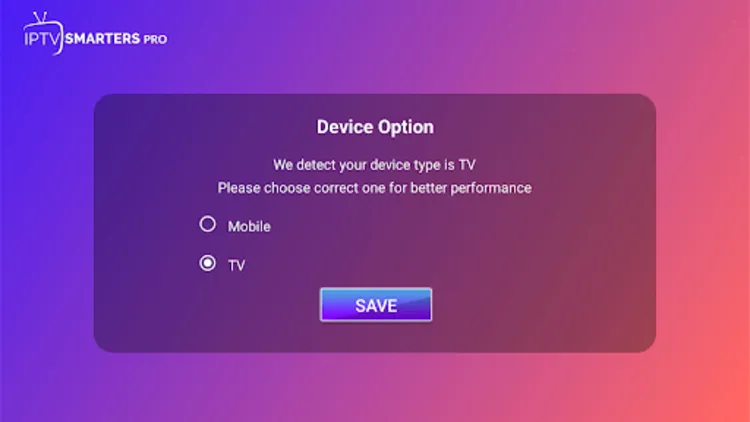
Step 39: Choose the device option.
Step 40: Select the format of your choice: M3U or Xtreme Codes.
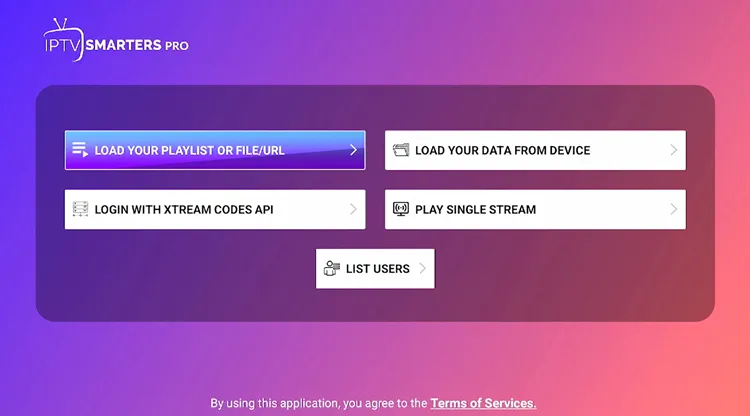
Step 41: Enter the login credentials provided by your service provider.
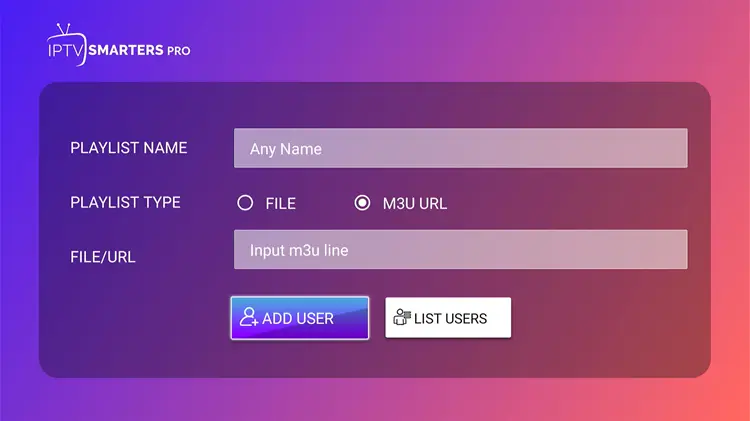
Step 42: Your IPTV Service has been successfully set up.
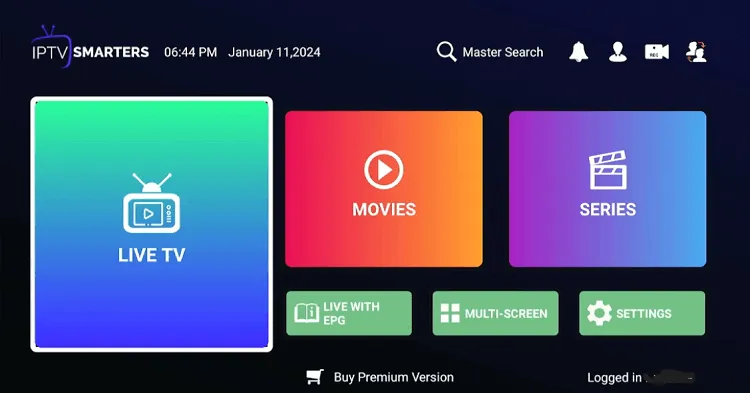
Step 43: Choose the channel of your choice.
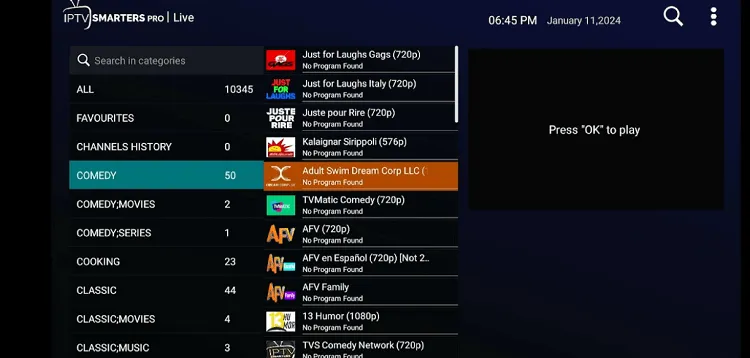
Step 44: Start Streaming!

What I Like About Xiaomi Mi TV Box S (2nd Gen)?
1. Sideloading
The Mi TV Box S (2nd Gen) allows easy sideloading of IPTV apps like OTT Navigator and XCIPTV. By using the Downloader app, you can quickly install your preferred IPTV apps by simply entering an APK link or downloader code.
However, APKs should come from trusted developers. Keep Google Play Protect enabled to help detect potentially harmful apps.
2. Chromecast
The Mi TV Box S (2nd Gen) features built-in Chromecast, letting you cast IPTV streams directly from your phone to your TV.
If your app supports casting (like IPTV Smarters Pro), you can instantly display live TV or VOD content on the big screen without any extra setup. Your phone and Mi TV Box generally need to be connected to the same Wi-Fi network, and the app must support Google Cast.
3. Expandable Storage
The Mi TV Box S (2nd Gen) offers 8GB of built-in storage. However, the capacity may vary or be reduced due to the operating system or in-built apps.
The USB port lets you connect a flash drive for local media playback. You can connect external storage for compatible media files, but this does not guarantee that every IPTV app can be installed or moved onto the USB drive.
The limited internal storage is a drawback in 2026, particularly when the newer Mi TV Box S (3rd Gen) offers 32GB.
4. Stable Wired Connection with Ethernet Adapter
While the Mi Box comes with dual-band Wi-Fi, it also supports USB Ethernet adapters, providing a reliable connection for HD or 4K IPTV streaming.
If your device turns off the USB port after idle periods, try these fixes:
- Turn off Wi-Fi to prevent automatic network switching.
- Choose officially compatible USB-to-Ethernet adapters.
- Reconnect the USB adapter and check the port.
- Reboot the Mi Box after long standby periods.
- Go to Settings → System → About → System update and install available software updates.
5. Bluetooth Remote Control
The device comes with a Bluetooth remote, allowing you to control your device without needing to point directly at it. This makes navigating IPTV channels easier, searching for content, and controlling playback while also enabling pairing with a Bluetooth keyboard for a more seamless IPTV experience.
To pair an additional Bluetooth accessory, open Settings → Remotes & Accessories → Pair accessory.
6. Stunning Audio & Visuals.
The Mi TV Box S (2nd Gen) steps up your IPTV experience with Dolby Vision® and HDR10+, making everything pop with brighter colors, deeper contrasts, and richer details.
And when you pair that with Dolby Atmos® and DTS-HD audio, it’s like you’re right in the middle of the action. The immersive visuals and sound will transform your streaming experience. However, these features only work when the content, streaming app, TV, and audio equipment support the relevant formats.
7. Google Assistant
The Mi TV Box S (2nd Gen) features Google Assistant, allowing you to control your IPTV experience.
Simply press the Google Assistant button on the remote and use voice commands to search for apps, channels, shows, or movies. Google Assistant availability depends on your region and language. Voice search may not work inside every third-party IPTV app.
What I Dislike About Xiaomi Mi TV Box S (2nd Gen)?

As shown in the screenshot, it’s clear I’m not the only one facing issues with this device. Other users report video playback and audio problems with their Xiaomi TV Box S (2nd Gen), like 4K 60 fps x264 not working with hardware acceleration and audio needing a settings change on older TVs.
Upon testing the Android 14 update, I noticed frequent lagging. The update seemed to bring more bugs than improvements, and honestly, it was frustrating.
These issues reflect my earlier testing experience. They don’t necessarily affect every Xiaomi TV Box S (2nd Gen), since performance can vary with firmware versions and installed apps.
Troubleshooting Methods for Xiaomi Mi TV Box S (2nd Gen)
Xiaomi recommends the following troubleshooting methods for freezing or lagging apps:
– Check your internet connection under Settings → Network & internet.
– Clear the affected app’s cache through Settings → Apps → See all apps.
– Close unnecessary background apps or reinstall problematic apps.
– Check for software updates under Settings → System → About → System update.
– Consider a factory reset only as a last resort, since it erases your data and settings.
Do You Need a VPN for IPTV on Xiaomi TV Box S (2nd Gen)?
If you’re using the Mi TV Box S (2nd Gen) and streaming through verified services that are already available in your region, you likely don’t need a VPN.
A VPN like Surfshark encrypts your Mi TV Box S (2nd Gen) connection for better privacy and may help prevent ISP throttling. However, it cannot fix slow internet, weak Wi-Fi, overloaded IPTV servers, guarantee access to geo-restricted content or make unauthorized streaming legal.
Mi TV Box S (2nd Gen) Alternatives
Here are the alternatives for Xiaomi’s Mi TV Box S (2nd Gen):
- Xiaomi TV Box S (3rd Gen) – Best direct upgrade, offering 32GB storage, Wi-Fi 6, improved processing, Dolby Vision, and DTS:X.
- Fire TV Stick 4K Max (2023) – Still runs Android-based Fire OS and supports sideloading with Downloader. The newer Fire TV Stick 4K (2026) runs Vega OS, which blocks sideloading.
- NVIDIA SHIELD TV Pro – Best for IPTV power users, with Gigabit Ethernet, 16GB storage, and two USB 3.0 ports.
- Google TV Streamer (4K) – A Google TV alternative with 4GB RAM, 32GB storage, and built-in Gigabit Ethernet.
- onn 4K Pro (2026) – A US-market Google TV device offering 32GB storage, 3GB RAM, Wi-Fi 6, and Ethernet connectivity.
FAQs
1. Can I sideload third-party IPTV apps on the Mi TV Box S (2nd Gen)?
Yes, the Mi TV Box S (2nd Gen) allows you to sideload third-party IPTV apps using the Downloader app.
2. Can I use a Bluetooth keyboard with the Mi TV Box S (2nd Gen)?
Yes, the Mi TV Box S (2nd Gen) supports Bluetooth devices, including keyboards. Pair a Bluetooth keyboard to navigate easily through IPTV apps, type search queries, and control playback.
3. Can I stream content from my phone to the Mi TV Box S (2nd Gen)?
Yes, you can use the built-in Chromecast feature to cast content from your phone to the Mi TV Box S (2nd Gen).
4. Is Mi TV Box better than FireStick for IPTV?
Mi TV Box offers a clean Android TV interface and USB port, which gives it an edge for sideloading apps and using external storage. However, newer Fire TV Sticks running Vega OS block sideloading, while the Fire TV Stick 4K Max (2023) still allows it.
5. Can I use Ethernet on Mi TV Box for stable IPTV streaming?
Yes, but the Mi TV Box doesn’t have a built-in Ethernet port. You’ll need a USB-to-Ethernet adapter to connect via LAN for a more stable IPTV experience.
My Final Verdict!
The Mi TV Box S (2nd Gen) is a capable IPTV box with a few quirks. It is good for tech-savvy users but may frustrate those who expect flawless performance right out of the box.
The Positives
The streaming box features easy sideloading, built-in Chromecast functionality, and immersive Dolby Vision and Atmos support.
The Negatives
I experienced limited 8GB internal storage and software lag during testing. Performance can vary by firmware, app, and network setup.
For an upgrade within the same ecosystem, compare it with the Xiaomi TV Box S (3rd Gen). The Google TV Streamer (4K) also offers more storage and built-in Ethernet.
The NVIDIA SHIELD TV Pro remains an option for users who need Ethernet, multiple USB ports, and advanced media playback.

 is a popular pick for IPTV. Explore its features, setup guide, and tips for the best IPTV experience.)