


Paying for IPTV services requires careful attention to privacy to protect your financial data and identity online. Traditional payment methods like direct credit card transactions can expose sensitive personal details to third-party unverified IPTV providers.
In 2026, IPTV users can choose from several payment options, including virtual credit cards, cryptocurrency, credit cards, and prepaid gift cards. Each method offers different levels of privacy, convenience, and buyer protection.
A trusted VPN adds privacy by encrypting your internet traffic and masking your IP address. However, it cannot hide payment or personal information you directly provide to a seller.
This guide covers the safest payment methods and key red flags to avoid for IPTV subscriptions.
💳 Comparison – IPTV Payment Methods
The table below compares popular IPTV payment methods based on privacy level, setup difficulty, and buyer protection.
| Payment Method | Privacy Level | Setup Difficulty | Dispute Protection |
|---|---|---|---|
| Virtual Credit Card (VCC) | High | Easy | Moderate |
| Credit Card | Low | Very Easy | High |
| Cryptocurrency (Crypto) | Extreme | Moderate | None |
| Prepaid Gift Cards | High | Easy | None |
| PayPal | Medium | Easy | Moderate |
| Marketplace Escrow | Medium | Easy | Moderate |
| Bank Transfer / P2P Apps | Low | Easy | Very Low |
🔒 Different Payment Methods for IPTV Subscriptions
Choosing the right payment channel reduces financial risks and guards your online privacy. Here are the most secure options available today.
For additional privacy, I recommend connecting to a premium VPN before visiting an IPTV provider or opening its checkout page. This encrypts your connection and prevents your ISP from seeing your real IP address.
1. Cryptocurrency (Bitcoin, USDT, Monero)

Paying with cryptocurrency prevents sellers from seeing your real banking details.
- Bank Separation: Keeps your bank account details hidden from the seller.
- Low Fees: USDT on Tron or Solana keeps transfer costs low.
- No Auto-Renewals: Prevents surprise subscription charges.
- Not Fully Anonymous: Bitcoin and USDT transactions are visible on the blockchain, and exchanges may verify your identity.
⚠️ Warning: Cryptocurrency transfers are generally irreversible. Verify wallet addresses and seller reputation before sending any funds.
2. Virtual Credit Cards (VCCs)
Virtual credit cards, such as Privacy.com or Revolut, generate separate card numbers that help keep your primary card details hidden from IPTV providers. Privacy.com is available only to US residents with a US bank account, so check what your bank or card app offers in your country.
- Burner Card Numbers: Prevent recurring unauthorized charges.
- Custom Spending Limits: Caps maximum billing amounts.
- Instant Deactivation: Delete the virtual card anytime after purchase.
Single-use virtual cards are best for one-time purchases. For recurring IPTV subscriptions, use a multi-use virtual card with spending controls, if available.
3. Prepaid Gift or Mastercard Cards
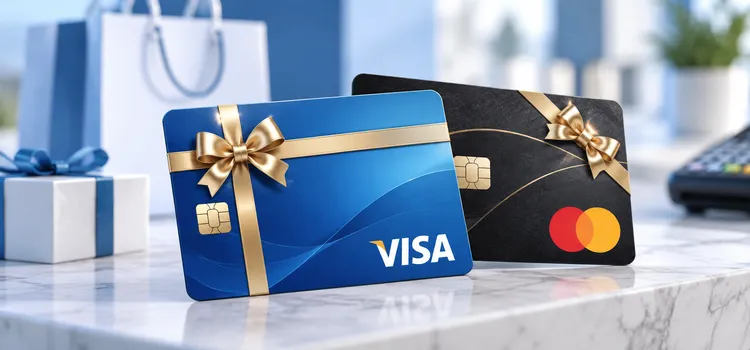
Some prepaid cards can be purchased with cash at local retailers without providing identification. However, you may need to register or verify your identity before using them online. These cards can reduce exposure of your primary banking details, but they do not guarantee anonymity.
- Cash Purchase: Keeps the purchase separate from your bank account.
- Fixed Balance: Eliminates risk of unexpected auto-renewals.
- No ID Verification: Most prepaid cards require minimal registration info.
- Limited Protection: A lost balance is rarely refundable.
Some prepaid cards require registration, and online use may require a billing address, so check the card’s terms first.
4. Credit Cards & Secure Gateways
 If you are using fiat currency, select secure intermediaries that mask your credit card details from the seller. Choose reputable payment processors or digital wallets that hide your primary card number from vendors.
- Dispute Rights: US cardholders can file billing-error notices within 60 days under CFPB rules by submitting a written notice and preserve their legal protections.
- Masked Checkout: Digital wallets shield your primary card number from vendors.
- Varies by Country: Dispute rules and deadlines differ outside the US, so check your bank’s terms before you buy.
For PayPal Purchase Protection, use an eligible transaction through your PayPal account rather than assuming Guest Checkout qualifies.
5. PayPal
PayPal lets you pay with a linked card or balance without sharing your card number with the seller.
- Dispute Window: Purchase Protection lets you open a dispute within 180 days of payment.
- Claim Escalation: If the seller does not resolve it, you must escalate it to a claim within 20 days.
- Goods and Services Only: Pay as goods and services, because friends-and-family payments have no protection.
- Limited Coverage: Items prohibited by PayPal’s Acceptable Use Policy are excluded, and PayPal decides eligibility case by case.
- IPTV Coverage: PayPal Purchase Protection is not guaranteed for IPTV subscriptions. Eligibility depends on the transaction and PayPal’s policies.
6. Marketplace Escrow (Z2U, G2G, Alibaba)
Marketplaces like Z2U and G2G typically hold your payment while delivery is verified. However, orders can be automatically marked as accepted after approximately 72 hours if no complaint is raised.
- Delivery Confirmation: Confirm delivery only after you test the login.
- Platform Disputes: Open a dispute through the marketplace if the service fails.
- Seller Ratings: Check the seller’s reviews and order history before buying.
7. Bank Transfer, Zelle, Cash App, and Western Union (Avoid)
 Wire transfers and peer-to-peer apps are built for people you trust, so avoid them for IPTV when dealing with unknown or unverified sellers.
- Instant and Final: The money is gone the moment you send it.
- Little Recovery: Recovery is rarely possible if the seller disappears.
- Scammer Favorite: Sellers who insist on these methods are avoiding accountability.
Which Payment Method Should You Choose?
For most people, a credit card or a virtual card is the best balance of privacy and protection. Credit cards generally offer stronger dispute rights, while virtual cards help limit exposure of your primary card details. Use PayPal or marketplace escrow when the provider offers them.
Treat cryptocurrency as a payment option with very limited recovery protection, and check prepaid-card safeguards before relying on them. Avoid bank transfers and P2P apps when paying unknown or unverified sellers.
🚩Red Flags to Watch Out For
- Asks for SSN or National ID at checkout
- Unencrypted (HTTP) checkout: HTTPS is safer, but it doesn’t prove the site is legitimate
- Wire transfer only: very little chance of recovery
- Hidden fees: no clear pricing before payment
- Pressure to pay immediately, often via DM
- Unrealistic offers: a huge channel list for a very low price
- Irreversible payment demands: no chargeback or refund protection
- Requests for bank passwords, PINs, or one-time codes: never share these
- No clear terms: missing pricing, refund, or cancellation policy
- PayPal “Friends and Family” request: no Purchase Protection, so ask for goods and services instead
- Gift card codes sent by message: a classic scam pattern
- Misspelled or redirecting domains: signs of a phishing page
- Pre-checked auto-renewal: may quietly enroll you at a higher price
- Seller only on chat apps: prefer providers with a real website and checkout page
💸What to Do If You’ve Already Paid?
- Contact the seller and your payment provider immediately if the service never arrives or you see unauthorized charges
- Credit card: ask your issuer about the dispute or chargeback process
- Save evidence: receipts, screenshots, and transaction details
- Shared card details on a suspicious site: call your bank right away to freeze the card and review your account for fraud
- PayPal: open a dispute through the Resolution Center
- Marketplace: report the problem before the buyer-protection window closes
- Crypto, gift cards, or P2P transfers: contact the payment provider or platform immediately; recovery may be hard, but report it anyway
❓ FAQs
1. What Is the Safest Way to Pay for IPTV?
Virtual credit cards and regular credit cards are generally the safest options. They offer spending controls or dispute protection, depending on your card issuer.
2. Should I Use a VPN When Paying for IPTV?
A VPN encrypts your internet connection and hides your IP address from the seller. However, it cannot protect payment details you voluntarily share with an IPTV provider.
3. Can IPTV Providers Steal My Credit Card Information?
Unverified IPTV providers may misuse stored payment information or make unauthorized charges. Use a trusted payment gateway or virtual card to reduce your exposure.
4. Can I Get My Money Back If an IPTV Provider Scams Me?
You may be able to request a chargeback through your bank or open a PayPal dispute if your purchase qualifies. Cryptocurrency and gift card payments offer little to no recovery protection.
✅ Conclusion
Safely paying for IPTV services in 2026 is about limiting your financial exposure and maintaining control over each transaction. Choose a payment method that offers the right balance of privacy, spending control, and buyer protection for your needs.
Using a secure payment method alongside a trusted VPN can improve your overall privacy. A VPN protects your internet connection and IP address, while safer payment options help reduce the amount of financial information exposed to an IPTV provider.

